LED Lighting Energy Savings: Where to Cut Summer Bills Fastest
Summer electric bills make wasted lighting harder to ignore. This guide shows where LED lighting energy savings happen fastest, how to calculate payback, and which fixtures to upgrade first.

LED Lighting Energy Savings: The Short Answer
LED lighting energy savings usually show up fastest in the lights that run the longest, use the most watts today, or sit in rooms where people often forget to turn them off. Start with kitchens, exterior fixtures, garages, home offices, basements, hallways, and any older recessed, halogen, incandescent, or fluorescent lighting that still runs for hours.
The U.S. Department of Energy says LED lighting uses at least 75% less energy and lasts up to 25 times longer than incandescent lighting. ENERGY STAR certified bulbs and fixtures give buyers a tested baseline for efficiency and performance. IEEE 1789 matters because driver design and dimming can affect flicker, especially when LEDs are paired with dimmers and smart controls.
The practical rule is simple: replace high-use inefficient lights first, verify comfort and compatibility, then add controls only where they reduce runtime or brightness. A smart bulb in a lamp that runs ten minutes a day will not move the bill much. A better LED setup in a kitchen, porch, garage, or family room that runs every evening can.
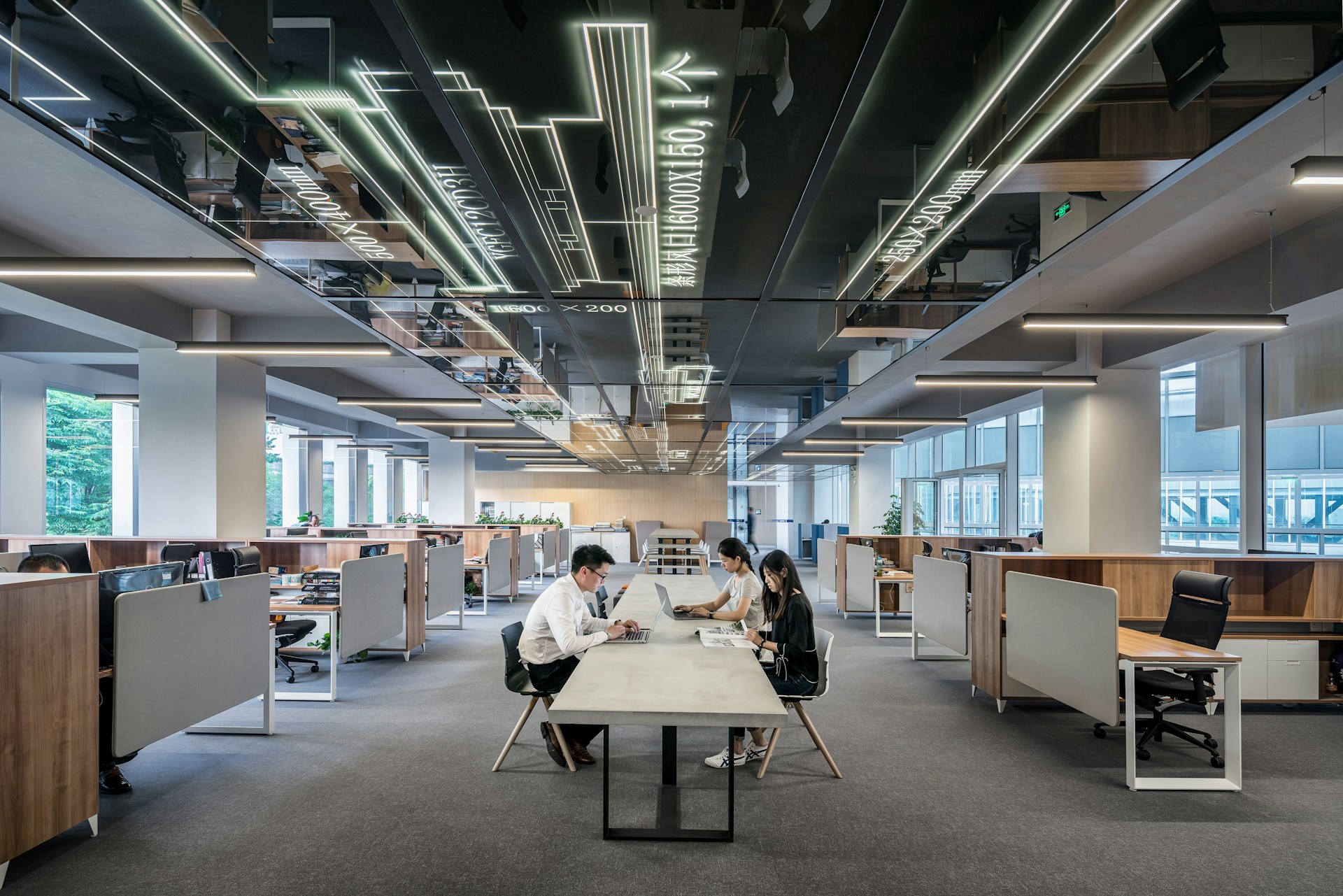
Why Summer Bills Make Lighting Waste More Visible
Summer electricity bills often rise because air conditioning, fans, dehumidifiers, pool equipment, and longer evening activity all add load. Lighting is not always the biggest line item, but it is one of the easiest to control because the upgrade path is visible. You can count fixtures, compare wattage, estimate hours, and replace one room at a time.
The hidden benefit is heat. Incandescent and halogen bulbs waste much of their energy as heat. In summer, that heat can make rooms less comfortable and add a small extra burden to cooling systems. LEDs still produce heat, but far less for the same useful light output. In kitchens, bathrooms, closets, small offices, and recessed cans, the comfort difference can be noticeable.
Do not treat the whole house equally. A closet bulb that runs five minutes a day can wait. A porch light that runs from sunset to sunrise, a kitchen full of old recessed cans, or a garage fixture used every evening should move to the top of the list.
The Fastest Payback Areas
Start with exterior lighting. Porch lights, security lights, garage sconces, patio fixtures, and landscape lighting often run for long schedules. Replacing old bulbs with efficient LEDs can cut wattage immediately, and adding reliable dusk-to-dawn or schedule control can prevent daytime waste.
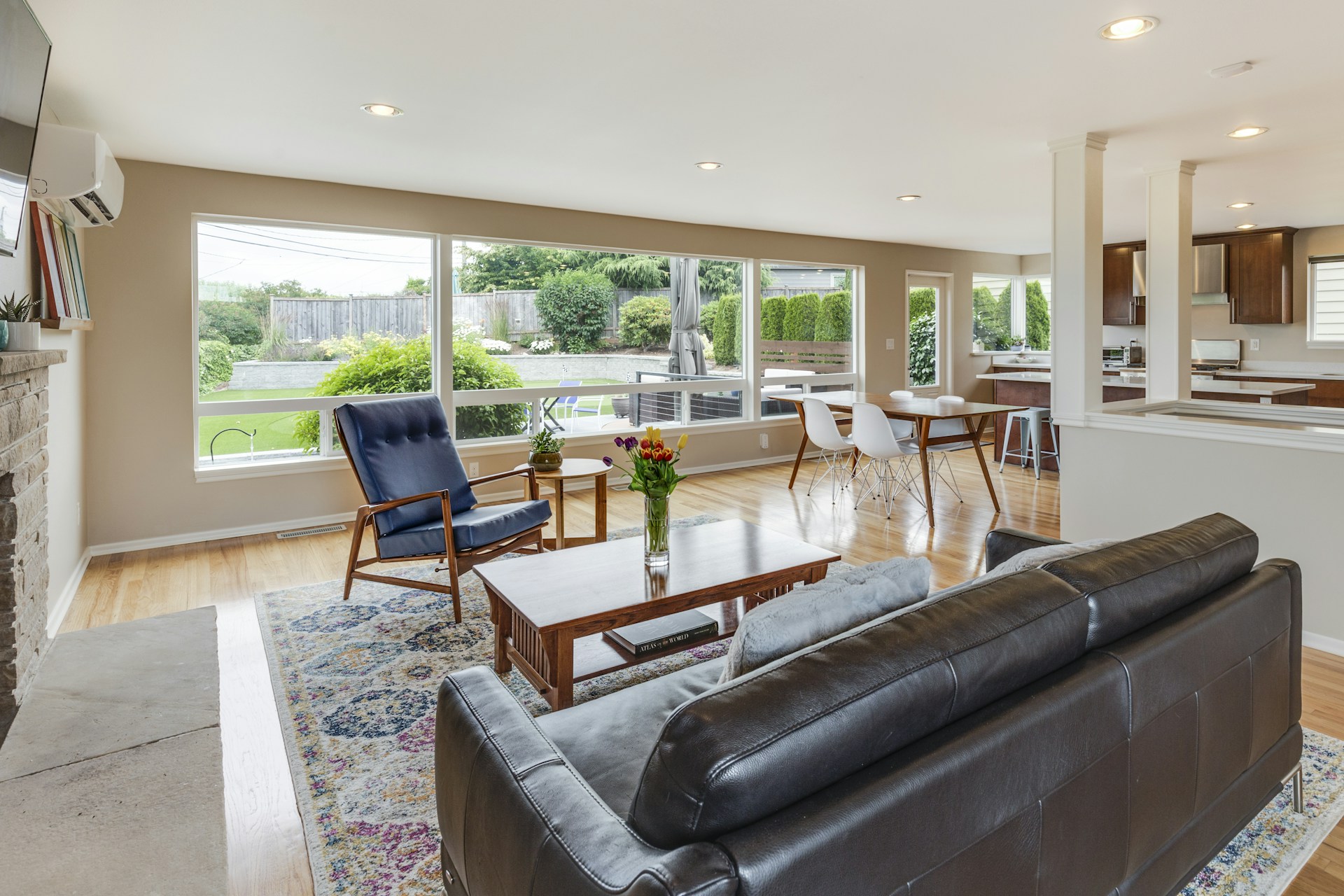
Next, check kitchens and living areas. These rooms often combine multiple bulbs, long evening use, and higher brightness needs. If the room still uses incandescent, halogen, or older recessed lamps, LED lighting energy savings can be meaningful because several fixtures run at once.
Garages, basements, workshops, and laundry rooms are also strong candidates. They may use older fluorescent tubes, high-watt bulbs, or fixtures that stay on while people work. Bright, efficient LEDs can improve visibility while reducing power draw.
Home offices matter more than they used to. A desk lamp, overhead light, video-call light, and background lamps can run for many hours. The best upgrade is usually layered: efficient task light at the desk, comfortable ambient light, and warm lower output later in the day.
If you want the math before buying, use our [LED lighting energy savings calculator](/blog/led-lighting-energy-savings-calculator-real-payback) and compare current wattage, replacement wattage, operating hours, electricity rate, and product cost.
How to Calculate Savings Without Overcomplicating It
You only need four numbers for a useful estimate: old wattage, new wattage, hours used per day, and electricity price. Subtract new wattage from old wattage, multiply by hours, convert watts to kilowatt-hours, then multiply by your rate.
For example, replacing a 60-watt incandescent with a 9-watt LED saves 51 watts while it is on. If that light runs four hours per day, it saves about 0.204 kilowatt-hours daily. Multiply that by your utility rate and by the number of similar bulbs. One bulb is modest. Ten high-use bulbs become real money over a year.
For fixtures, be careful with assumptions. A fixture with three old 60-watt bulbs is a 180-watt load. A replacement using three 9-watt LEDs is 27 watts. That is a much bigger difference than replacing one low-use bulb. Multi-lamp fixtures, recessed cans, vanity bars, and exterior clusters can add up quickly.
Payback is product cost divided by yearly savings. If a bulb costs a few dollars and saves several dollars per year, the payback is fast. Integrated fixtures, smart switches, and dimmers cost more, so they need either higher use, better comfort, lower maintenance, or control benefits to justify the upgrade.
Smart Lighting Helps Only When It Changes Behavior
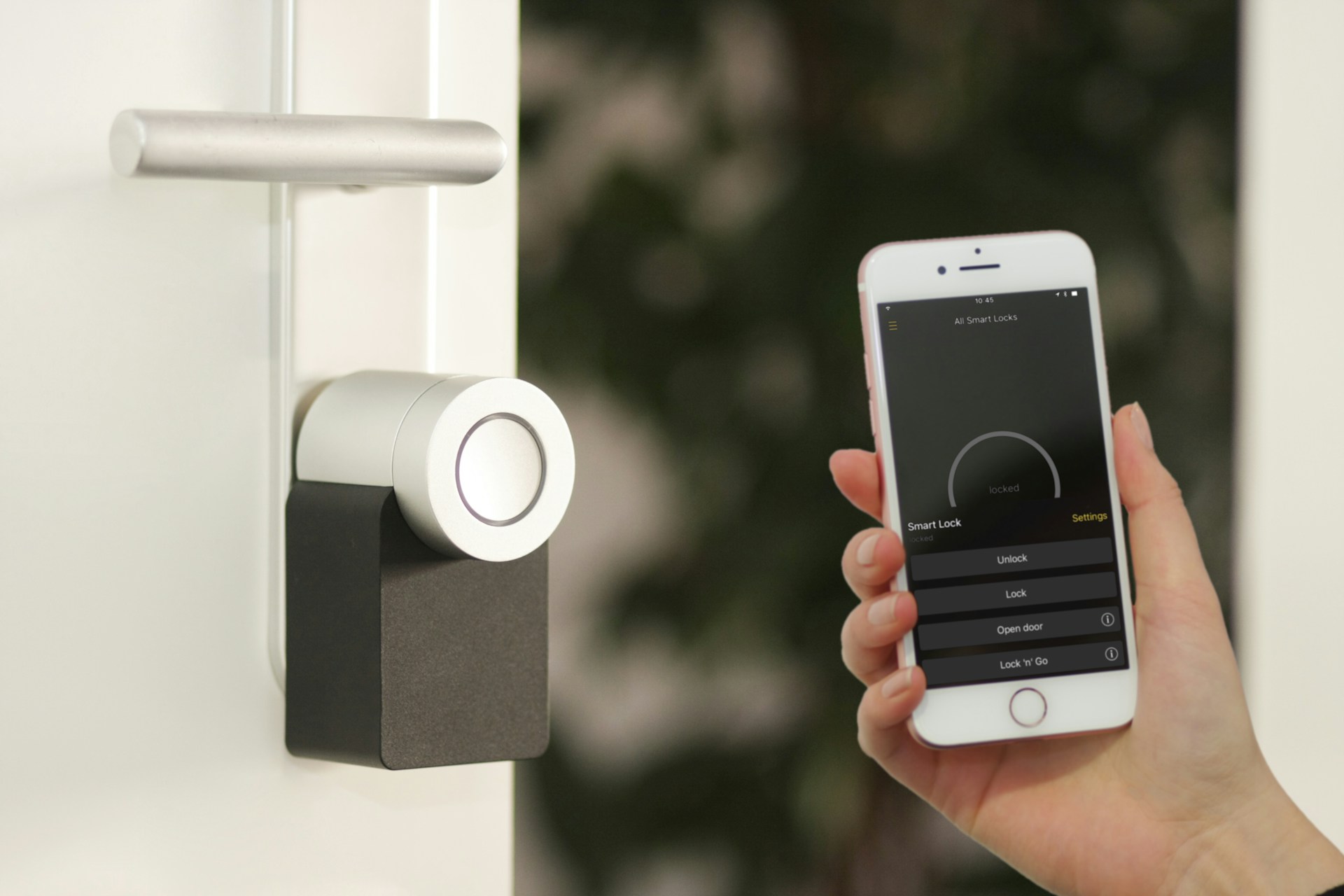
Smart lighting can reduce summer bills, but only when it changes runtime or brightness. Schedules, vacancy sensors, occupancy sensors, dimming defaults, and sunset routines are useful. App control by itself is not an energy strategy.
A porch light on a sunset-to-sunrise routine can avoid being left on all day. A hallway can run at 20% overnight instead of full output. A family room can use a 50% evening scene most nights. A garage can turn off automatically after people leave. These are practical savings because the system reduces waste without depending on perfect habits.
The wrong smart upgrade adds cost without cutting usage. A connected bulb in a rarely used decorative lamp may be convenient, but it will not materially change the bill. Focus controls on long-runtime rooms and lights people forget.
For a deeper comparison, see our guide to [smart LED bulbs vs smart switches](/blog/smart-bulbs-vs-smart-switches-energy-savings). In many ceiling circuits, a smart switch or dimmer is cleaner than putting a smart bulb in every socket.
Do Not Ignore Dimming, Flicker, and Comfort
Energy savings are not enough if the room becomes unpleasant. Cheap LEDs can have harsh color, poor dimming, buzzing, glare, or flicker. Those problems make people remove the bulbs, leave other lights on, or avoid the room. A failed upgrade saves nothing.
Check color temperature first. Warm white around 2700K usually works well for bedrooms, living rooms, dining rooms, and evening lamps. Neutral light around 3000K to 3500K often fits kitchens, bathrooms, work areas, and offices. Cooler light can work in garages and utility rooms, but it can feel clinical in relaxed spaces.
Check color quality where it matters. Kitchens, bathrooms, closets, retail-like display areas, craft rooms, and home offices benefit from better color rendering. Our guide to [understanding lumens, CRI, and color temperature](/blog/understanding-lumens-cri-color-temperature) explains how to compare those specs.
Dimming needs testing. LED bulbs, LED drivers, wall dimmers, smart switches, and integrated fixtures do not all work together automatically. IEEE 1789 is often cited because modulation and driver design affect flicker risk. You do not need to study the standard to make a good buying decision. You do need to test the exact bulb or fixture with the exact dimmer before upgrading a whole room.
ENERGY STAR Is a Useful Filter
ENERGY STAR is not the only mark of a good LED product, but it is a useful filter for ordinary buyers. Certified bulbs and fixtures must meet performance requirements for efficiency and quality, which helps separate tested products from vague claims.
This matters during summer upgrades because many people buy quickly when bills rise. They see a bulk pack, a big watt-equivalent claim, or a smart feature and assume it will solve the problem. Better buying starts with the basics: lumens for brightness, watts for power draw, efficacy for efficiency, color temperature for feel, CRI for color quality, and fixture rating for the installation environment.
Outdoor and enclosed fixtures deserve extra attention. Heat, moisture, and poor ventilation shorten LED life. A bulb that works well in an open table lamp may fail early in a sealed porch fixture or enclosed ceiling globe. Check damp, wet, enclosed, and outdoor ratings before buying.
Best Upgrade Sequence for Summer Savings
Walk the house at night and list every light that is on for more than two hours. Mark the old bulb type, wattage if known, number of bulbs, and whether the room needs dimming. Then rank by total wattage and runtime.
Upgrade one high-use room first. Check brightness, color, glare, dimming, flicker, switch behavior, and whether people actually like the result. If the test passes, repeat the same product or fixture family in similar rooms. If it fails, solve the comfort issue before buying more.
Use smart controls where they reduce waste. Exterior schedules, garage auto-off routines, hallway night scenes, kitchen dimming, and home office task scenes can be useful. Skip smart controls in low-use spaces unless convenience is the goal.
Keep receipts and product labels until the test period is over. LED lighting is a category where one bad compatibility detail can ruin an otherwise sensible purchase.
Bottom Line
LED lighting energy savings are fastest when you upgrade lights with high wattage and long runtime. Exterior fixtures, kitchens, garages, basements, living areas, and home offices usually deserve attention before closets and rarely used lamps.
Use DOE guidance as the efficiency foundation, ENERGY STAR as a practical buying filter, and IEEE 1789 as a reminder that dimming and flicker quality matter. The best summer lighting upgrade lowers wattage, reduces wasted runtime, feels comfortable, and works naturally with the switches and routines people already use.
Start with the lights that stay on the longest. Test before scaling. Let the savings come from real wattage reduction and better behavior, not from features that never get used.
Sources
- [U.S. Department of Energy: LED Lighting](https://www.energy.gov/energysaver/led-lighting)
- [ENERGY STAR: Light Bulbs](https://www.energystar.gov/products/light_bulbs)
- [IEEE Std 1789-2015: Recommended Practices for Modulating Current in High-Brightness LEDs](https://standards.ieee.org/standard/1789-2015.html)
FAQ
How much energy can LED lighting save?
DOE says LED lighting uses at least 75% less energy than incandescent lighting. Actual savings depend on old wattage, new wattage, operating hours, utility rates, and whether controls reduce wasted runtime.
Which lights should I replace first for summer savings?
Replace long-runtime and high-wattage lights first: exterior fixtures, kitchens, garages, basements, home offices, family rooms, and old recessed or halogen fixtures.
Do smart lights lower electric bills?
Smart lights lower bills only when they reduce brightness or runtime. Schedules, sensors, dimming scenes, and auto-off routines help more than app control alone.
Are ENERGY STAR LED bulbs worth buying?
Yes, ENERGY STAR bulbs are a strong default because they meet tested efficiency and performance requirements. Specialized products may not always carry the label, but claims should still be verified carefully.
Why do some LED lights flicker on dimmers?
Flicker usually comes from driver design, dimmer incompatibility, poor controls, or weak product quality. Test the exact LED and dimmer combination at low brightness before upgrading a full room.
Related Articles

Energy Efficient LED Lighting: How to Cut Costs as Power Prices Rise
Energy efficient LED lighting is still one of the fastest practical upgrades for homes and businesses facing higher electricity costs. Here is how to compare savings, specs, controls, and product claims before buying.

Networked Lighting Controls: How Commercial Buildings Save More Energy
Networked lighting controls can turn an LED retrofit into a managed energy system. This guide explains how sensors, scheduling, daylight response, and commissioning help commercial buildings save more than LEDs alone.