Occupancy Sensors vs. Daylight Harvesting: Which Saves More Energy?
Compare occupancy sensors and daylight harvesting by space type, savings opportunity, cost, commissioning needs, and payback—and learn when combining both works best.

Occupancy Sensors vs. Daylight Harvesting: The Short Answer
Occupancy sensors usually save more lighting energy in spaces that are frequently empty but otherwise remain lit, such as private offices, meeting rooms, restrooms, storage areas, classrooms, and warehouse aisles. Daylight harvesting usually performs better in perimeter offices, atriums, storefronts, and skylit facilities where useful natural light is available for many occupied hours.
Neither strategy wins everywhere. The better choice depends on what currently wastes energy: lights operating with nobody present, or electric lights staying at full output when daylight already supplies enough illumination. Buildings with both variable occupancy and strong daylight can combine the two, but savings must be modeled sequentially rather than added as independent percentages.
How Do Occupancy Sensors Save Lighting Energy?
Occupancy sensors detect activity and switch lights on, or raise them from a dimmed level, when a space is in use. After a programmed period without detected activity, they turn lights off or reduce output. Vacancy sensors use a related manual-on, automatic-off sequence, which can prevent lights from switching on when occupants do not need them.
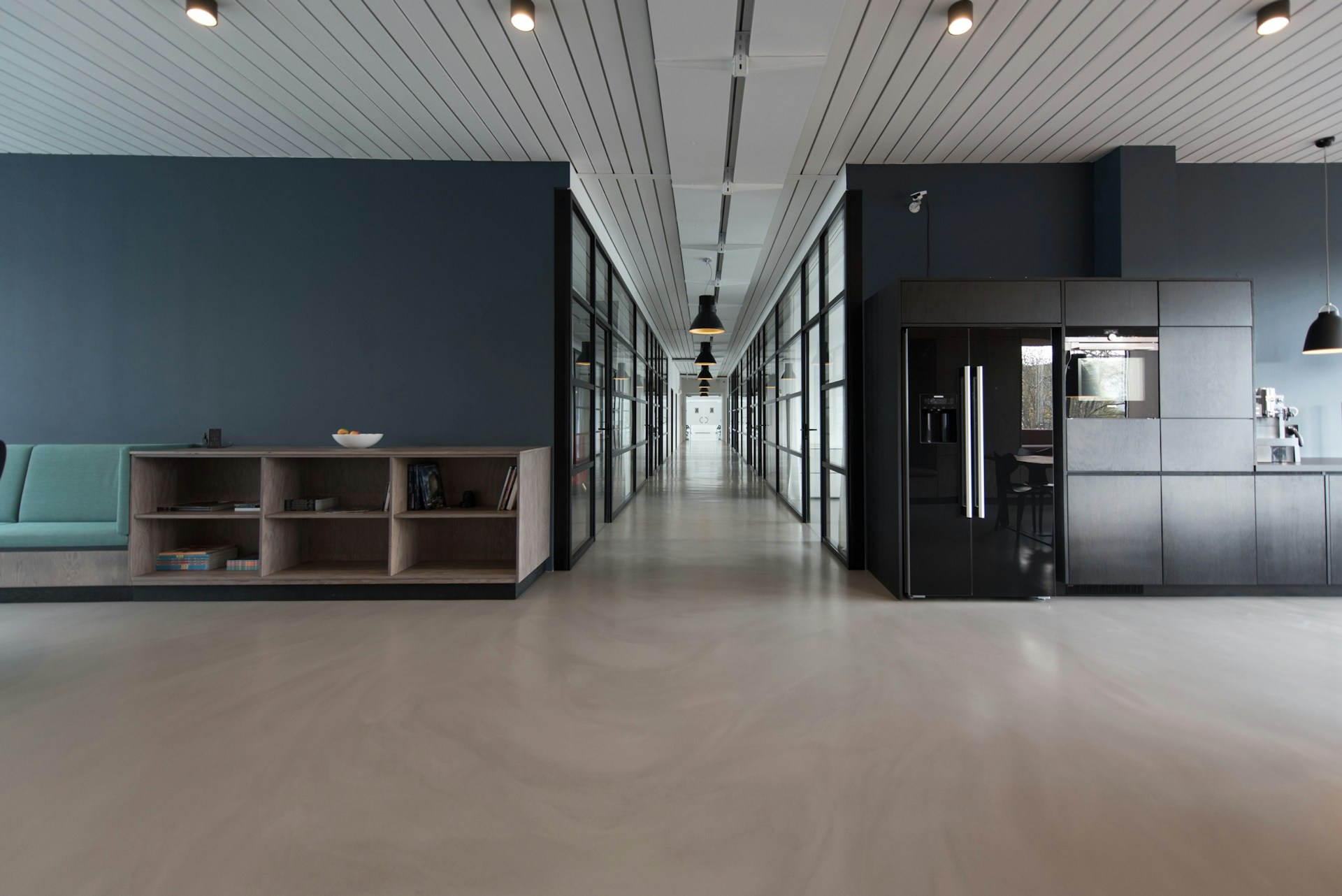
The savings opportunity is unused runtime. If a conference room is scheduled as available for 12 hours but occupied for only three, an appropriate sensor can eliminate much of the lighting use during the remaining time. The same logic works in stockrooms, restrooms, copy rooms, enclosed offices, and intermittently used warehouse aisles.
Sensor performance depends on coverage, detection technology, mounting position, timeout, and the way people use the room. Passive infrared sensors need a suitable view of movement. Ultrasonic or dual-technology sensors may detect subtle activity better, but poor placement can cause false triggers. A sensor that cannot see a seated worker may shut lights off too soon; one aimed toward corridor traffic may keep them on unnecessarily.
The control sequence matters as much as the hardware. In a private office with good windows, manual-on vacancy control may outperform automatic-on occupancy control because a person can choose to work without electric light. In a warehouse, a low unoccupied level may be safer and more practical than complete shutoff.
How Does Daylight Harvesting Work?
Daylight harvesting uses a photosensor, dimmable LED drivers, and a control sequence to reduce electric light when daylight contributes enough illumination. The system continuously or step-dims luminaires to maintain a target light level instead of running them at full output all day.
Its savings opportunity is excess output during occupied hours. A perimeter office may need full electric light early in the morning, less near midday, and more again late in the afternoon. A skylit warehouse may receive substantial daylight for several hours even though workers remain present. Properly commissioned controls reduce only the electric-light contribution while preserving useful illumination.
Daylight is highly location-specific. Window orientation, glazing, overhangs, nearby buildings, seasonal sun angles, weather, interior partitions, surface reflectance, and workstation placement all affect performance. Luminaires near windows should normally be controlled separately from interior rows. One large zone forces a bad compromise: either the perimeter wastes energy or the interior becomes too dim.
Closed-loop systems measure combined daylight and electric light within the controlled space. Open-loop systems primarily measure daylight entering the space. Each can work, but sensor placement and commissioning must match the intended method. A photosensor mounted where it sees a bright window, direct sunlight, or light from the fixture can cause unstable or inaccurate dimming.
Which Control Strategy Saves More?
Start with the building's waste pattern, not a generic percentage. Occupancy controls have the advantage where vacancy hours are numerous and unpredictable. Daylight harvesting has the advantage where spaces remain occupied but receive consistent, useful daylight.
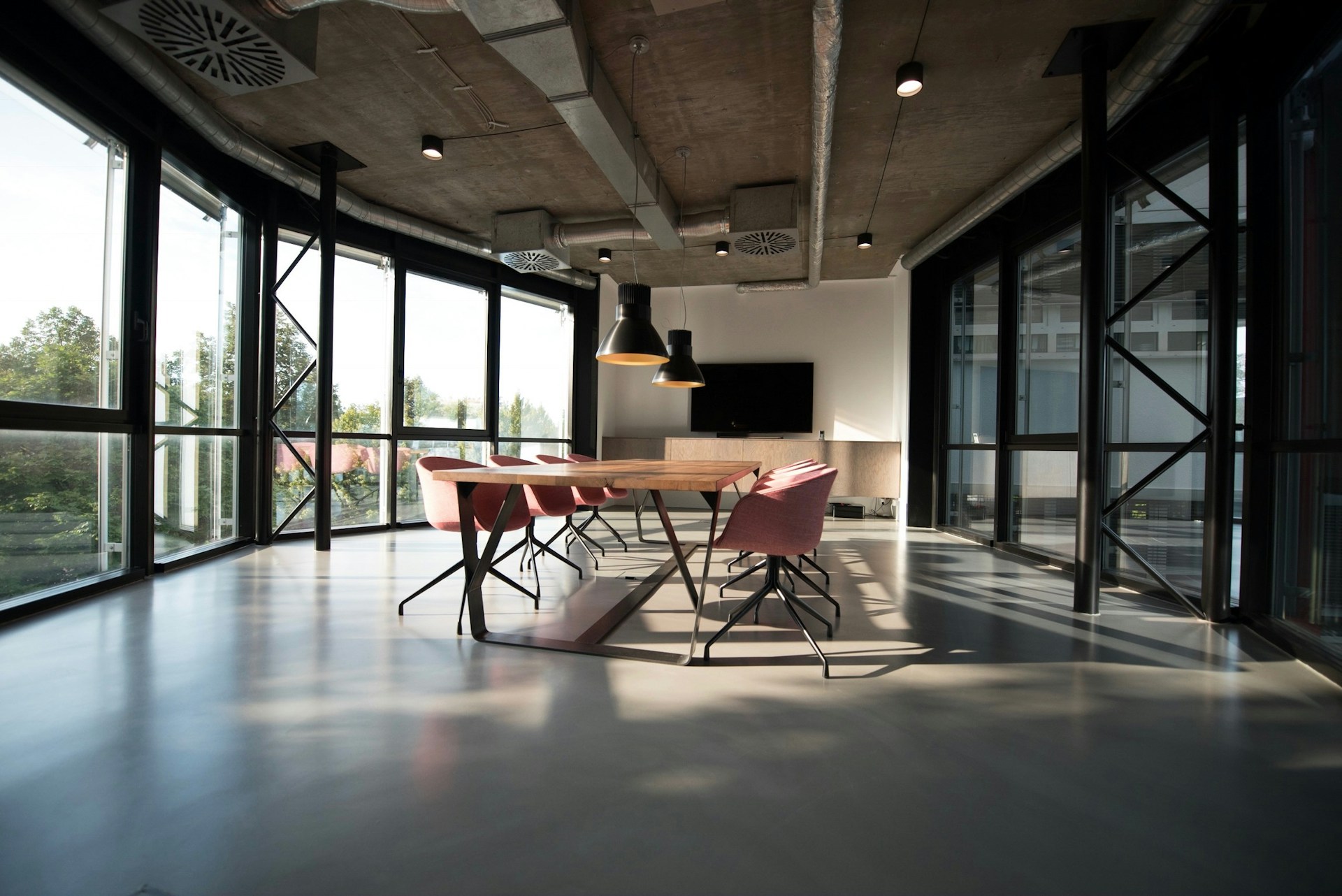
For example, a windowless storage room used briefly favors occupancy control, while a glass perimeter office occupied all day favors daylight dimming. A conference room beside large windows can benefit from both. A continuously staffed interior production area may benefit more from scheduling or task tuning.
The U.S. Department of Energy identifies occupancy sensors and photosensors among the controls that can reduce lighting energy. It does not make a universal promise that one saves more, because results depend on operating hours, occupancy, available daylight, baseline controls, fixture power, and commissioning.
For a broader control plan, see our [commercial LED lighting controls guide](/blog/commercial-led-lighting-controls-energy-savings). Larger facilities considering connected zoning should also review [networked lighting controls](/blog/networked-lighting-controls-energy-savings-commercial-buildings).
Can Occupancy Sensors and Daylight Harvesting Be Combined?
Yes. In many offices, schools, warehouses, and public buildings, the best sequence uses both. Occupancy determines whether the zone needs light at all, while daylight response determines how much electric light is required when the zone is occupied.
A practical sequence might work like this: when someone enters, luminaires rise only to the output needed after accounting for available daylight. During occupancy, the photosensor continuously adjusts output. After vacancy, lights dim to a safe background level or switch off after the specified timeout. A schedule can provide an additional layer by defining normal and after-hours behavior.
Do not add separate advertised savings percentages. If occupancy control removes 30 percent of baseline operating hours, daylight harvesting acts only on the remaining occupied load. For a 10,000 kWh baseline, a modeled 30 percent occupancy reduction leaves 7,000 kWh. A further 20 percent daylight reduction on that remainder saves 1,400 kWh, producing 4,400 kWh total savings—not 5,000 kWh.
Also confirm control priorities. Emergency lighting, security requirements, manual overrides, cleaning schedules, and minimum warehouse or parking light levels may limit shutoff or dimming. The written sequence of operations should state occupied output, unoccupied output, delay times, daylight setpoints, fade rates, schedules, and override behavior.
Which Building Types Have the Best Payback?
Occupancy sensors tend to pay back well in intermittently used rooms with long scheduled hours. Private offices, meeting rooms, classrooms, restrooms, locker rooms, storage areas, stairwells, and warehouse aisles are common candidates. Payback improves when the controlled wattage is high or vacancy periods are long.
Daylight harvesting performs best in spaces with large windows, clerestories, or skylights and dimmable luminaires arranged in sensible zones. Perimeter offices, schools, atriums, retail storefronts, airport concourses, and high-bay facilities with skylights can be strong candidates. Deep interior zones and shaded elevations may have little harvestable daylight.
Small rooms may justify standalone sensors, while large buildings may benefit from networked controls. Include gateways, software, licenses, commissioning, training, and future service in the project cost.
ENERGY STAR advises comparing lighting by lumens for brightness and watts for energy use. Apply the same discipline to controls: preserve the required light level, then compare measured or modeled input power over time. A low energy result is not successful if occupants override the system because work surfaces are too dark or dimming is distracting.

How Should Savings and Payback Be Calculated?
Audit each zone. Record fixture quantity, complete input watts, annual scheduled hours, observed occupancy, available daylight, current controls, and required light levels. Temporary logging or control-system trend data is more reliable than assumptions from a brochure.
Calculate the baseline first:
Baseline lighting kWh = fixture quantity × input watts × annual operating hours ÷ 1,000
Then model the proposed sequence hour by hour when data permits, or use conservative control factors supported by observations and a pilot. Value the avoided kWh using the applicable utility rate. Add demand savings only when the reduced lighting load coincides with the interval that sets billed demand.
Include sensors, dimmable drivers, switches, control modules, wiring, design, labor, commissioning, training, software, and maintenance. Subtract rebates only after confirming eligibility and pre-approval rules. Our [LED energy savings calculator](/blog/led-energy-savings-calculator-estimate-payback-before-upgrade) provides the full payback framework.
Before a building-wide rollout, pilot a representative occupancy zone and a representative daylight zone. Trend light output and occupancy, measure work-plane illumination, observe false-on and false-off events, and interview users. Seasonal daylight may require a longer verification period than occupancy sensing.
Commissioning Mistakes That Erase Savings
The most common occupancy-control mistakes are oversized zones, blocked sensors, traffic outside the room triggering lights, timeouts that are too long, and timeouts that are so short occupants disable the system. Verify coverage from normal working positions, not only by walking through the room.
Common daylight-control mistakes include controlling perimeter and interior fixtures together, mounting a photosensor in an unrepresentative location, setting the target too high, allowing direct sunlight on the sensor, and failing to recalibrate after furniture or partitions change.
Poor dimming compatibility can also undermine either strategy. IEEE 1789-2015 addresses recommended practices related to current modulation in high-brightness LEDs. Ask for credible temporal light modulation data and test the exact LED driver, dimmer, and controller combination across the intended dimming range. A system that flickers, shimmers on camera, or changes output abruptly will attract complaints and overrides.
Document final settings and give facilities staff controlled access. Commissioning is not complete when lights merely turn on. It is complete when the sequence works under real occupancy and daylight conditions, users understand overrides, and the results can be verified.
Bottom Line
Occupancy sensors save more where empty spaces are routinely lit. Daylight harvesting saves more where occupied spaces receive substantial natural light. The strongest projects identify the waste in each zone and select the simplest control that removes it.
Combine both strategies when both conditions exist, but calculate them sequentially and commission their interaction. A representative pilot, measured light levels, documented settings, and post-installation energy data are more valuable than a universal savings claim.
Sources
- [ENERGY STAR: Learn About LED Lighting](https://www.energystar.gov/products/lighting_fans/light_bulbs/learn_about_led_bulbs)
- [U.S. Department of Energy: Lighting Controls](https://www.energy.gov/femp/lighting-controls)
- [IEEE Std 1789-2015: Recommended Practices for Modulating Current in High-Brightness LEDs](https://standards.ieee.org/standard/1789-2015.html)
FAQ
Are occupancy sensors or daylight sensors better for offices?
Private and meeting rooms with irregular use often favor occupancy or vacancy sensing. Perimeter open offices with steady occupancy and strong windows often favor daylight harvesting. Many offices benefit from both in separately commissioned zones.
Can occupancy sensors and daylight harvesting work together?
Yes. Occupancy control decides whether light is needed, while daylight harvesting adjusts how much electric light is needed during occupancy. Define the priority and calculate daylight savings on the remaining occupied load.
Does daylight harvesting work with any LED fixture?
No. Fixtures need compatible dimmable drivers and controls. Verify the dimming protocol, low-end performance, sensor compatibility, flicker behavior, zoning, and commissioning requirements before purchase.
How do you estimate lighting-control savings?
Calculate baseline kWh by zone, then model controlled runtime and average output using measured occupancy, daylight, schedules, and fixture power. Use a pilot to validate assumptions before scaling.
What is the biggest cause of poor lighting-control performance?
Weak commissioning is the recurring cause. Bad sensor placement, oversized zones, inappropriate timeouts, incorrect daylight setpoints, and undocumented overrides can eliminate savings and frustrate occupants.
Related Articles

LED Energy Savings Calculator: Estimate Payback Before You Upgrade
Use a practical LED energy savings calculator to estimate annual kWh, operating-cost savings, maintenance savings, and payback before approving an upgrade.

Commercial LED Rebates Before Year-End: A 2026 Upgrade Checklist
Use this commercial LED rebates 2026 checklist to confirm eligibility, preserve pre-approval, document installation, and calculate payback before year-end deadlines.