Renter-Friendly Smart Switches: The Best Matter-Compatible Lighting Setups in 2026
Looking for renter-friendly smart switches that work with Matter in 2026? Here are the best no-rewire lighting setups, what to avoid, and how to keep smart bulbs online without breaking automations.

Renter-Friendly Smart Switches: The Best Matter-Compatible Lighting Setups in 2026
If you rent, smart lighting gets complicated fast. You want physical controls that guests can use, automations that do not break when someone flips a wall switch, and ideally no rewiring that risks your security deposit. The good news is that renter-friendly smart switches are much better in 2026 than they were even two years ago.
Matter support has improved cross-platform compatibility, battery-powered scene controllers feel closer to real switches, and landlords are finally seeing that plug-in and adhesive-mounted controls can add convenience without touching line-voltage wiring. The trick is choosing the right setup for your apartment, your bulbs, and how much reliability you expect.
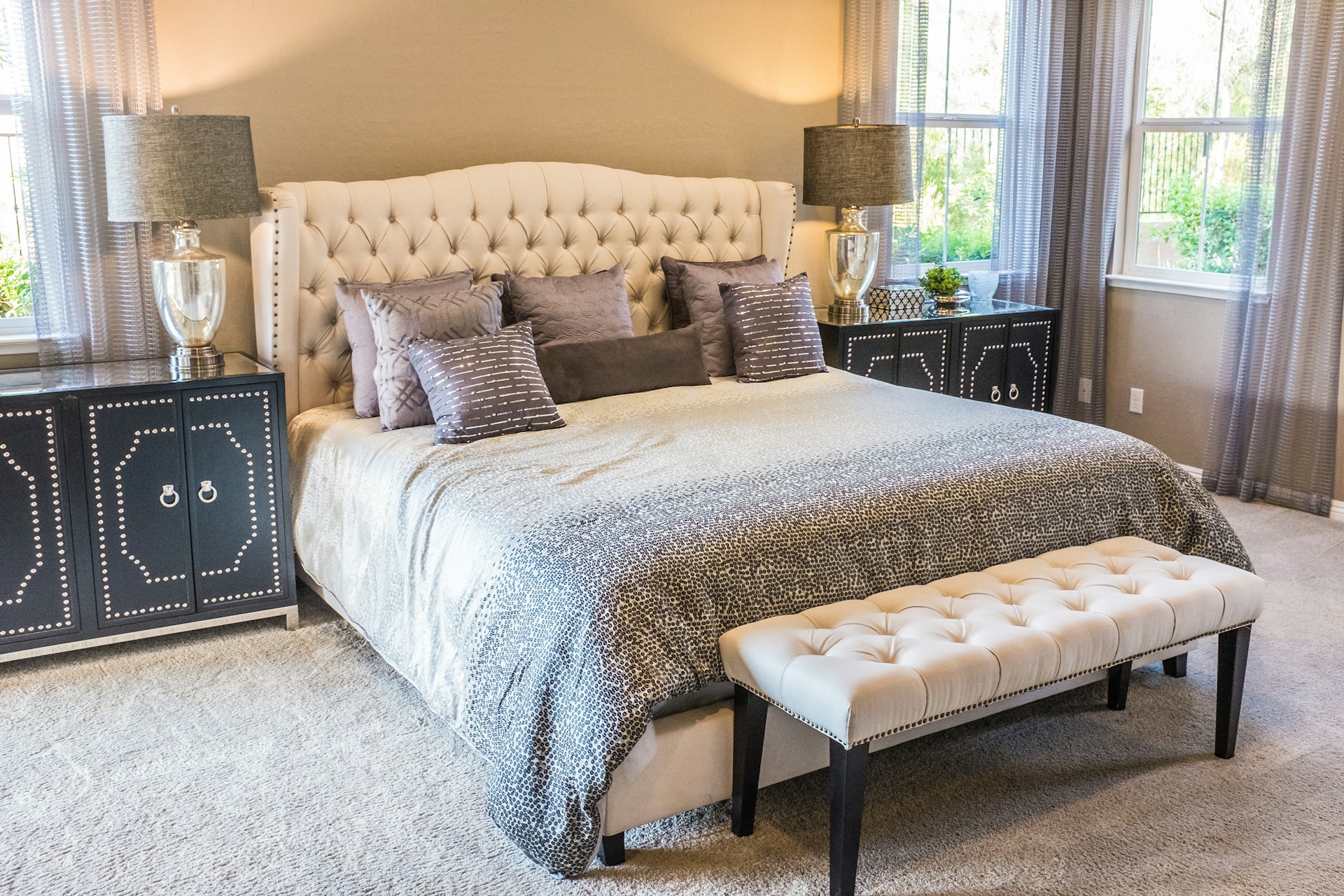
The core renter problem: wall switches still cut power
Most smart-bulb frustration comes from one simple issue. Smart bulbs need constant power. A normal wall switch cuts that power, which means automations fail, voice control stops, and your app thinks the bulb is offline. That is why so many renters install smart bulbs, love them for a week, then give up when other people in the home keep using the original switch.
The best renter-friendly smart switches solve this in one of three ways:
1. Smart bulbs plus a wireless scene switch
This is the best fit for most apartments. You leave the wiring alone, keep power flowing to the smart bulbs, and mount a battery-powered switch or scene controller near the old switch using adhesive. Some renters use a switch guard so the original toggle is still accessible but not the default control.
Why this works:
- No electrical work
- Easy to remove when you move out
- Keeps smart bulbs online all the time
- Gives roommates and guests a normal button to press
Look for scene controllers that support Matter indirectly through the hub or platform, or native Matter over Thread where available. In practice, this is often more reliable than a cheap Wi-Fi-only wall gadget.
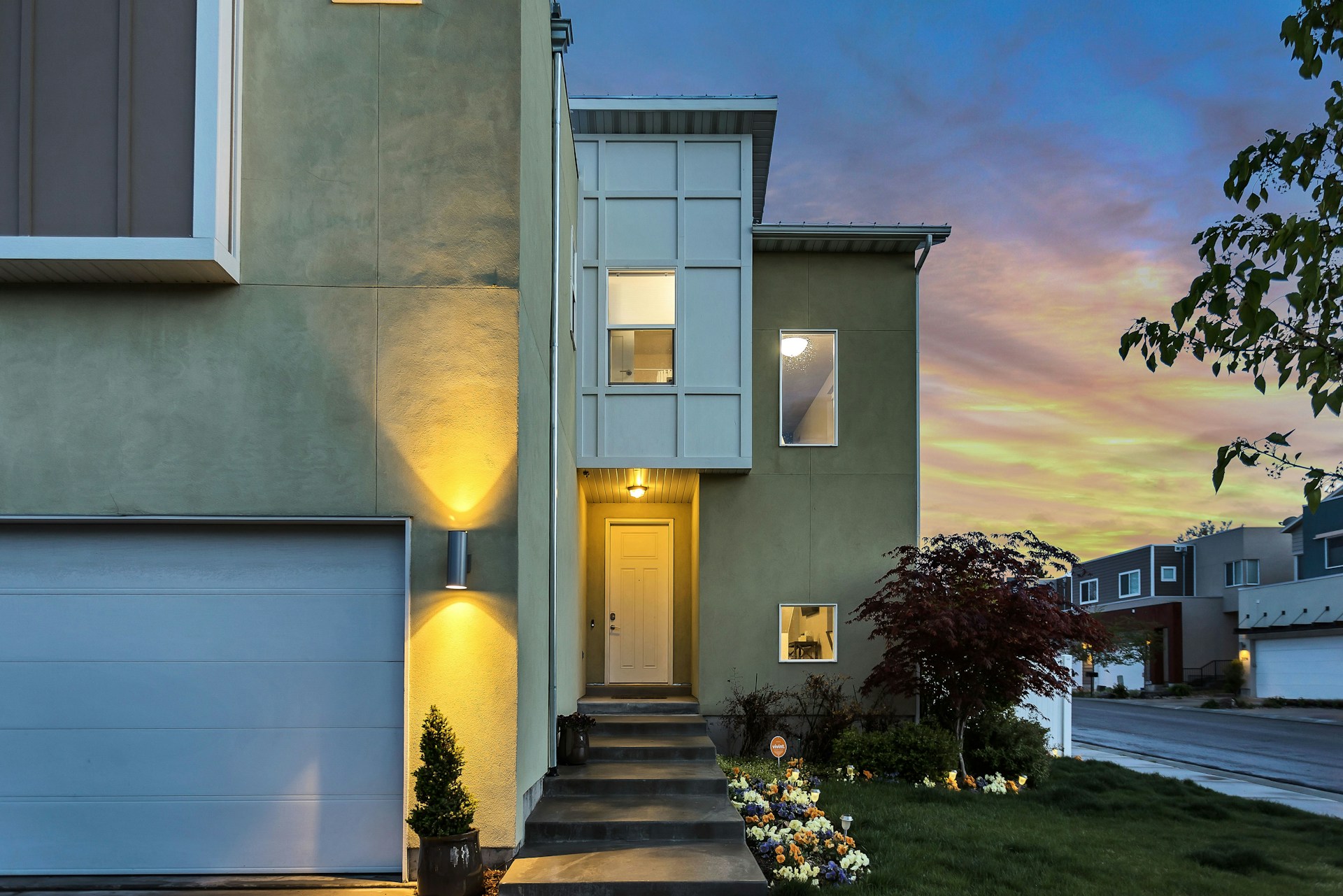
2. Smart plugs and lamps instead of the ceiling fixture
If your rental has poor ceiling-light options or strict rules about fixtures, the easiest upgrade may be to stop fighting the ceiling entirely. Put high-quality LED lamps on smart plugs, or use smart bulbs in plug-in lamps, then make those lamps the main source of ambient light.
This works well because plug-in devices are naturally renter-safe. You get dimming, schedules, scenes, and presence-based routines without touching building wiring.
For energy-conscious renters, this can also be a better move than over-lighting a room with a harsh ceiling fixture. [ENERGY STAR](https://www.energystar.gov/products/lighting_fans/light_bulbs) notes that LED lighting uses far less electricity than incandescent or halogen alternatives, and smart scheduling helps ensure lights are not left on unnecessarily.
3. In-wall smart switches only with landlord approval
Some renters do have permission to swap a wall switch and reinstall the original before move-out. If that is your situation, be careful. A smart in-wall switch is best when it controls a standard non-smart fixture, dimmable LED bulbs rated for the dimmer, and a circuit with the required wiring.
It is usually not the best answer for smart bulbs that need constant power. If you pair a normal smart switch with smart bulbs, you can still end up cutting power unless you configure the system very carefully.
The [IEEE](https://ieeexplore.ieee.org/document/4817497) has published extensively on LED driver behavior, dimming, and power quality. The practical takeaway for renters is simple: poorly matched dimmers and LED drivers can produce flicker, instability, and frustration even when nothing is technically broken.
Why Matter changes the buying decision in 2026
Matter does not magically make every device better, but it does make mixed-brand setups easier to live with. A Matter-compatible controller can usually work across Apple Home, Google Home, Amazon Alexa, and SmartThings without forcing you into one brand forever. That matters for renters because apartment setups change. You may move, add roommates, or switch ecosystems.
The [U.S. Department of Energy](https://www.energy.gov/eere/ssl/solid-state-lighting) has consistently emphasized that controls are where a large share of additional LED energy savings comes from after the fixture upgrade itself. Occupancy response, scheduling, and daylight-based control all reduce wasted runtime. In plain English, smart control is not just a convenience feature, it is part of the efficiency story.
The setups renters should avoid
Cheap no-name Wi-Fi switches
They often look attractive because they are inexpensive and claim app control without a hub. The problem is long-term reliability, lag, poor ecosystem support, and weak security update histories. In a rental, convenience matters more than saving a few dollars on the wrong control layer.
Smart bulbs with no physical fallback control
This setup sounds fine until someone visits, a roommate gets annoyed, or your phone is dead. Every smart-lighting zone needs a dead-simple physical control method.
Hardwiring around a landlord
Not worth it. Even if you know what you are doing electrically, unauthorized changes to in-wall devices can create liability. If the property manager has not approved it, skip it.
How to choose the right setup for your apartment
Ask these questions in order:
Do you need color-changing bulbs or just smart on/off and dimming?
If you want tunable white or color scenes, smart bulbs plus a wireless switch usually win. If you only want reliable control of a basic ceiling fixture, a landlord-approved smart in-wall switch may be enough.
Do other people need to use the lights without learning your app?
If yes, prioritize physical scene buttons, not phone-first control.
Are you planning to move within 12 months?
If yes, lean hard toward portable gear: smart plugs, portable lamps, wireless buttons, and Matter-compatible bulbs you can take with you.
Does your platform support Matter well today?
Apple Home, Google Home, Alexa, and SmartThings all support Matter, but device behavior still varies. Buy the simplest setup that gives you local control and a clear fallback if cloud services misbehave.
For a broader look at protocol choices, see our guide to [Smart Home Lighting Automation in 2026](/blog/smart-home-lighting-automation-2026). If you are still comparing bulb performance basics, [Understanding Lumens, CRI, and Color Temperature](/blog/understanding-lumens-cri-color-temperature) will help you avoid buying a smart bulb with the wrong light quality. And if efficiency is part of the goal, our [guide to cutting your electricity bill with LED lighting](/blog/cut-electricity-bill-75-percent) covers the savings side.
A practical recommendation for most renters in 2026
For most renters, the best balance of simplicity, portability, and compatibility looks like this:
- Matter-compatible smart bulbs in the main living spaces
- A wireless scene switch mounted beside or over the original wall switch
- Smart plugs for floor lamps and accent lighting
- One platform for routines, not three competing apps
That setup avoids rewiring, works across future moves, and keeps the lighting intuitive for everyone in the home.
The DOE and ENERGY STAR both reinforce the same general principle: efficient LEDs do the heavy lifting, and controls unlock the next layer of savings and usability. The best renter setup is the one you will actually keep using, not the one that looks clever on installation day.

FAQ
What is the best renter-friendly smart switch setup?
For most renters, the best setup is smart bulbs paired with a wireless battery-powered scene switch mounted near the existing wall switch. It avoids rewiring, keeps bulbs powered, and gives everyone a physical control.
Can Matter-compatible smart switches work without replacing in-wall wiring?
Yes. Many renter-friendly setups use wireless remotes, scene controllers, or smart plugs rather than replacing the actual wall switch. That is usually the safest approach for apartments.
Do smart switches or smart bulbs save more energy?
The LED bulb itself delivers most of the efficiency gain, while the control system helps reduce wasted runtime. According to DOE and ENERGY STAR guidance, scheduling, occupancy response, and dimming can add meaningful savings on top of efficient LEDs.
Will a smart switch break my smart bulb automations?
It can. If the switch cuts power to the bulb, the bulb goes offline and automations stop working. That is why renters often get better results with wireless scene switches instead of traditional switched power.
Are renter-friendly smart switches worth it in 2026?
Yes, especially if you choose portable Matter-friendly gear you can take to your next place. The best systems improve usability, reduce wasted energy, and avoid the common frustration of smart bulbs going offline at the wall.
Related Articles

LED Strip Lights: Complete Installation Guide
From under-cabinet accent lighting to full room backlighting, LED strips transform any space. Learn how to plan, install, and wire LED strip lights like a professional.

Smart Dimmer Recessed Lighting Layout: Plan the Room Before You Buy Fixtures
A practical 2026 guide to smart dimmer recessed lighting layout: spacing, zones, compatibility checks, code questions, flicker risk, and energy-saving controls before installation.