Smart Home Lighting Automation in 2026: Beyond Basic On/Off Schedules
Discover how smart home lighting has evolved beyond simple schedules. Learn about Matter protocol, presence-based automation, circadian lighting, and security integration — with practical setup guides for every budget.

Smart Home Lighting Automation in 2026: Beyond Basic On/Off Schedules
Setting a timer so your porch light turns on at sunset was impressive in 2018. In 2026, it is the bare minimum. Smart home lighting has evolved from simple scheduling into a layered automation ecosystem where lights respond to presence, adapt to circadian rhythms, integrate with security systems, and communicate across protocols that did not exist three years ago.
If your smart lighting setup still revolves around Alexa turning things on and off, you are leaving 90% of what modern LED automation can do on the table.
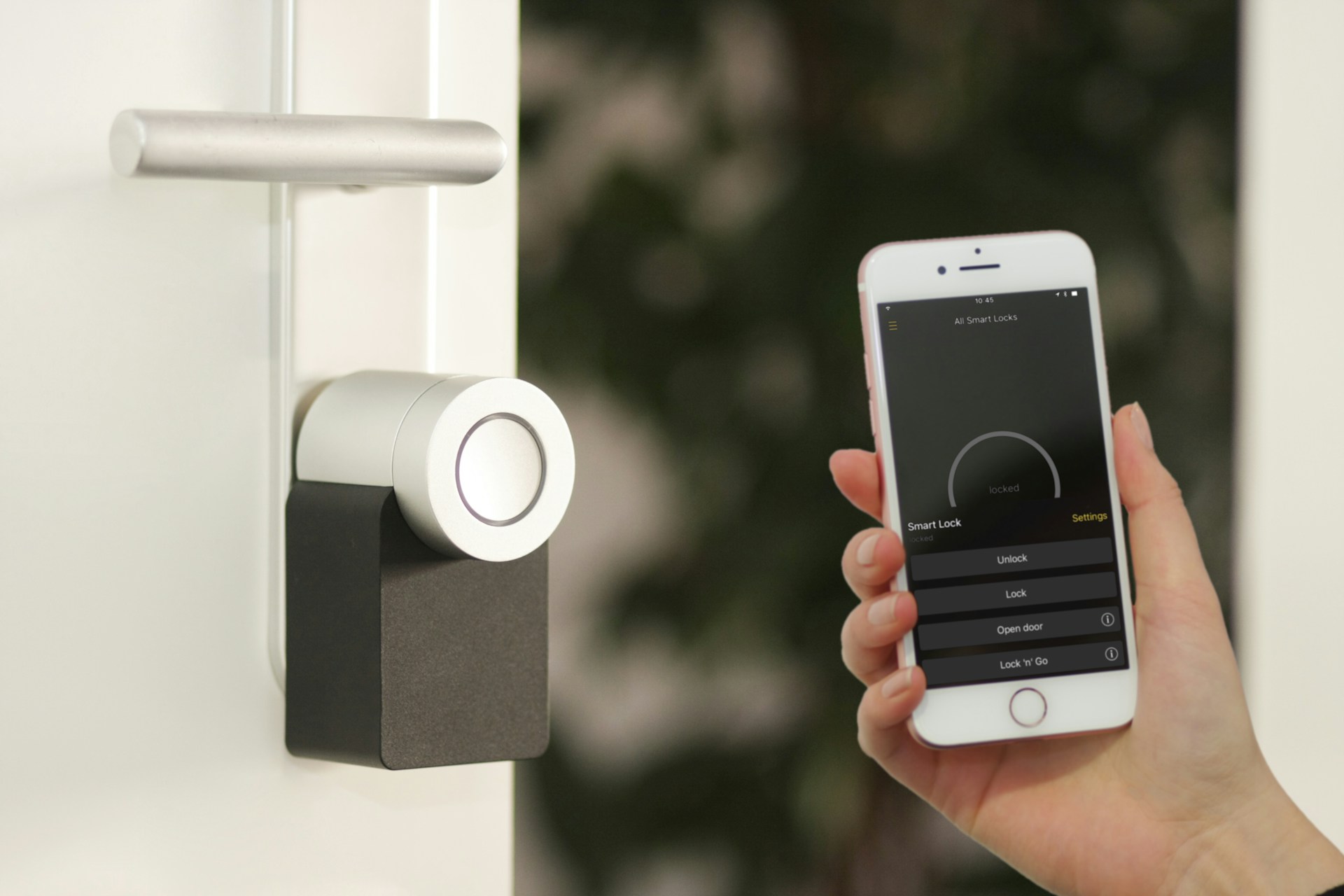
The Protocol Landscape: Matter Has Changed Everything
The single biggest shift in smart lighting since 2024 is the maturation of [Matter](https://csa-iot.org/all-solutions/matter/), the universal smart home standard developed by the Connectivity Standards Alliance (CSA) — the same organization behind Zigbee.
Before Matter, choosing a smart lighting ecosystem meant committing to a protocol: Zigbee (Philips Hue, IKEA), Z-Wave (older systems), Wi-Fi (TP-Link, Wyze), or proprietary (Lutron Caséta). Each had its own hub, its own app, and limited cross-compatibility.
Matter changes this by creating an IP-based application layer that runs over Wi-Fi, Thread, and Ethernet. In practical terms:
- Any Matter-certified bulb works with any Matter-certified controller — Apple Home, Google Home, Amazon Alexa, Samsung SmartThings
- Thread-based devices form a self-healing mesh network without a dedicated hub
- Local control means lights respond in milliseconds, even when your internet is down
- Multi-admin allows a single bulb to be controlled by multiple ecosystems simultaneously
Which Protocol Should You Choose in 2026?
| Protocol | Best For | Latency | Range | Hub Required |
|---|---|---|---|---|
| Matter over Thread | New installations, future-proofing | <100ms | Mesh (unlimited with enough devices) | Thread border router (Apple TV, HomePod, Echo) |
| Zigbee | Existing Hue/IKEA setups | <100ms | Mesh (30+ devices) | Yes (Hue Bridge, SmartThings) |
| Wi-Fi | Budget single-room setups | 200-500ms | Router range | No |
| Lutron Clear Connect | Reliability-critical (whole-home) | <50ms | 30ft+ per device | Yes (Lutron Bridge) |
Presence-Based Automation: Lights That Know Where You Are
The most impactful upgrade you can make to any smart lighting system in 2026 is shifting from schedule-based to presence-based automation. Instead of lights turning on at 6:00 PM, they turn on when you walk into the room — and off when you leave.
How Presence Detection Works
Modern presence detection goes far beyond basic motion sensors:
Radar-based sensors (mmWave): Devices like the Aqara FP2 use 60GHz millimeter-wave radar to detect human presence — including someone sitting still reading a book. Unlike PIR motion sensors, mmWave does not require movement to maintain a "present" state. The [Aqara FP2](https://www.aqara.com/us/product/presence-sensor-fp2/) can define up to 30 zones in a single room, triggering different scenes based on which area you occupy.
Phone-based geofencing: Your smartphone's GPS triggers whole-home scenes as you approach or leave. Apple HomeKit, Google Home, and SmartThings all support geofencing natively. Accuracy is typically 100-200 meters — useful for "arriving home" and "leaving home" scenarios, not room-level detection.
Ultra-Wideband (UWB): The next frontier. UWB chips in newer iPhones and Samsung devices enable room-level positioning accurate to 10cm. As UWB-equipped smart home devices proliferate in 2026, expect lighting automations that follow you from room to room without any motion sensor hardware.
Setting Up a Practical Presence Automation
Here is a real-world example using Home Assistant — the open-source automation platform running in over 1 million homes worldwide according to [Home Assistant analytics](https://analytics.home-assistant.io/):
Living room automation:
- mmWave sensor detects presence → lights fade to "Evening Relax" scene (2700K, 40% brightness)
- No presence detected for 5 minutes → lights dim to 10%
- No presence for 15 minutes → lights off
- Time-aware: Before 10 AM, presence triggers "Morning Bright" (4000K, 80%) instead
This eliminates the most common complaint about smart lighting: manually toggling scenes because the automation does not match your actual behavior.
Circadian Lighting: LEDs That Support Your Biology
The relationship between light exposure and human health is no longer theoretical. Research published in the [Journal of Clinical Sleep Medicine](https://jcsm.aasm.org/) and funded by the [National Institutes of Health](https://www.nih.gov/) has established that light color temperature directly influences melatonin production, alertness, and sleep quality.
Circadian lighting automation adjusts your LED color temperature throughout the day:
- Morning (6-9 AM): 4000-5000K (cool white) to suppress melatonin and promote alertness
- Midday (9 AM-4 PM): 4000K (neutral white) for productive task lighting
- Evening (4-8 PM): 2700-3000K (warm white) gradual transition
- Night (8 PM+): 2200-2400K (extra warm) to support melatonin production
For full control, Home Assistant's [Adaptive Lighting integration](https://github.com/basnijholt/adaptive-lighting) offers the most granular circadian automation available, supporting custom curves, per-room adjustments, and sleep mode overrides.
Security Integration: Smart Lights as a Security Layer
One of the most underutilized aspects of smart lighting automation is security integration. According to the [FBI's 2024 Crime Statistics](https://ucr.fbi.gov/), residential burglaries decrease significantly when homes show signs of active occupancy. Smart lighting can simulate this automatically.
Vacation Mode
When you leave home (detected via geofencing), smart lights can run a randomized occupancy simulation:
- Lights turn on and off in different rooms at varied times
- TV-simulating LED strips create flickering light patterns visible from outside
- Outdoor lights activate on motion detection with increased sensitivity
- Interior lights follow a plausible human pattern (kitchen at dinner time, bedroom at night)
Active Security Triggers
Integration with smart cameras and door/window sensors enables reactive lighting:
- Exterior motion at night: All outdoor LEDs flash to full brightness (deterrent)
- Door/window sensor triggered while away: Interior lights activate immediately
- Camera person detection: Specific zone lights illuminate, camera captures well-lit footage
Getting Started: Three Tiers of Automation
Tier 1: Basic Smart Automation (Under $100)
- 4-6 Wi-Fi smart bulbs (Wyze, TP-Link Tapo)
- Voice assistant you already own
- Schedule-based scenes
- Result: Lights on timers, voice control, basic scenes
Tier 2: Presence-Aware (Under $300)
- 8-12 Matter/Thread bulbs (Nanoleaf Essentials, IKEA DIRIGERA)
- 2-3 mmWave presence sensors
- Thread border router (Apple TV, Echo)
- Result: Lights follow you, circadian adjustments, security simulation
Tier 3: Full Automation ($500-$1,000)
- Whole-home LED retrofit (smart switches + smart bulbs)
- Home Assistant on dedicated hardware
- mmWave sensors in every room
- Smart blinds integration
- Result: Lights, blinds, and HVAC work together; zero manual control needed
FAQ
What smart lighting protocol is best in 2026?
Matter over Thread is the recommended protocol for new installations. It offers mesh networking, sub-100ms response times, cross-ecosystem compatibility, and local control without internet. If you already have a Zigbee setup (Hue, IKEA), it remains excellent — and many Zigbee devices now bridge to Matter.Can smart LEDs integrate with home security systems?
Yes. Most major smart home platforms (Apple HomeKit, Google Home, SmartThings, Home Assistant) support automations that connect lighting to security cameras, door/window sensors, and motion detectors. This enables features like motion-triggered floodlights, occupancy simulation during vacations, and reactive interior lighting when alarms trigger.How much does smart lighting automation cost to run?
LED smart bulbs consume 7-12 watts while illuminated and 0.3-0.5 watts in standby. A 20-bulb smart home setup costs approximately $5-$8/year in standby power. The [Department of Energy](https://www.energy.gov/energysaver/lighting) estimates that smart automation reduces overall lighting energy use by 20-40% compared to manual switching, because lights turn off when rooms are unoccupied.Do I need a hub for smart lights in 2026?
It depends on the protocol. Wi-Fi bulbs need no hub (just your router). Matter over Thread requires a Thread border router — but devices like Apple TV 4K, HomePod Mini, Amazon Echo (4th gen+), and Google Nest Hub already include Thread radios. If you own any of these, you already have the hub you need.What is the best smart lighting system for beginners?
For Apple users, start with IKEA DIRIGERA + TRÅDFRI bulbs (affordable, Matter-compatible). For Google/Alexa users, Nanoleaf Essentials offer excellent Thread performance at competitive prices. For maximum control, pair any Matter-compatible bulbs with Home Assistant running on a Raspberry Pi 5.Related Articles

Smart Ceiling Fan Light Control: Wall Switches vs Remotes for New Builds
Smart ceiling fan light control is easiest to get right before drywall closes. This guide explains when to wire separate wall controls, when a remote still makes sense, and how to avoid dimming, flicker, and smart-home headaches.

DALI-2 Smart Lighting Explained: What It Means for Modern LED Systems
DALI-2 smart lighting gives LED systems a more reliable way to handle dimming, sensors, scenes, emergency lighting, and building-wide control. Here is what buyers should know before choosing it over basic smart bulbs or switches.