LED Lighting Facts for 2026: What Buyers Should Check Before Upgrading
LED lighting facts can get buried under marketing claims. This practical guide explains the specs that matter before an upgrade: lumens, watts, efficacy, color temperature, CRI, dimming, flicker, lifetime, controls, and efficiency certifications.

LED Lighting Facts for 2026: The Short Answer
The most important LED lighting facts are simple, but they are easy to miss when a product page is packed with claims. Buyers should compare usable light output, power draw, efficacy, color temperature, color rendering, dimming compatibility, flicker risk, fixture rating, expected lifetime, warranty, and control strategy before upgrading.
Do not buy LEDs by old wattage habits. Buy by lumens, the amount of light delivered. Then compare watts, which show how much power the product uses to create that light. A lower-watt LED is not automatically better if it produces too little light, has poor color quality, flickers on the planned dimmer, or fails early in a hot enclosed fixture.
The U.S. Department of Energy says LED lighting uses at least 75% less energy and lasts up to 25 times longer than incandescent lighting. ENERGY STAR gives buyers a tested efficiency and performance baseline for many bulbs and fixtures. IEEE 1789 matters because LED driver design and dimming can affect flicker. Those sources point to the same buying rule: choose verified performance over marketing claims.

1. Lumens Matter More Than Watts
For decades, shoppers used watts as a shortcut for brightness because incandescent bulbs were fairly predictable. A 60-watt incandescent produced a familiar amount of light. LEDs changed that. Watts now tell you energy use, not brightness.
Lumens tell you light output. If a kitchen feels dim, you need more useful lumens in the right places. If a bedroom feels harsh, you may need fewer lumens, better diffusion, warmer color temperature, or lower default dimming. A 9-watt LED and a 12-watt LED can look very different depending on design, optics, and efficiency.
For replacement bulbs, compare the lumen target against the old bulb type. For fixtures, think about delivered light in the room. Recessed lights, lamps, strips, panels, and outdoor fixtures distribute light differently. A high-lumen product can still disappoint if the beam spread is wrong or the fixture throws light into the wrong area.
If you are planning a full retrofit, start with the rooms that run the longest or feel the worst. Our [LED lighting energy savings calculator](/blog/led-lighting-energy-savings-calculator-real-payback) explains how fixture wattage, operating hours, and utility rates affect payback.
2. Efficacy Shows How Efficient the LED Really Is
Efficacy is measured in lumens per watt. It tells you how much light a product produces for each watt of electricity. Higher efficacy usually means better energy performance, but it should not be the only deciding factor.
An efficient LED with poor color rendering may make food, skin, artwork, or retail merchandise look flat. A high-efficacy fixture with glare can make a room uncomfortable. A cheap driver may create flicker or poor dimming even if the lumen-per-watt number looks good.
For homes, efficacy matters most in high-use rooms, exterior fixtures, kitchens, garages, and lamps that run many hours. For businesses, it matters across offices, warehouses, parking areas, schools, retail spaces, and common areas because small wattage differences multiply across many fixtures and long schedules.
ENERGY STAR certification can help because qualifying products must meet efficiency and performance requirements, not just claim low wattage. It is not the only possible quality signal, but it is one of the easiest filters for everyday buyers.
3. Color Temperature Changes How a Room Feels
Color temperature is measured in kelvins. Warm light around 2700K usually feels comfortable in bedrooms, living rooms, dining rooms, and hospitality spaces. Neutral light around 3000K to 3500K often works well in kitchens, bathrooms, offices, and general task areas. Cooler light around 4000K or higher can fit garages, workshops, warehouses, clinics, and some commercial spaces, but it can feel harsh in relaxed rooms.
The mistake is buying one color temperature for every room. Lighting should match the task and the mood. A home office may need clearer task light during work hours and warmer lamp light at night. A retail space may need different color temperatures for fitting rooms, displays, stockrooms, and checkout areas.
For the deeper basics, see our guide to [understanding lumens, CRI, and color temperature](/blog/understanding-lumens-cri-color-temperature).
4. CRI Still Matters
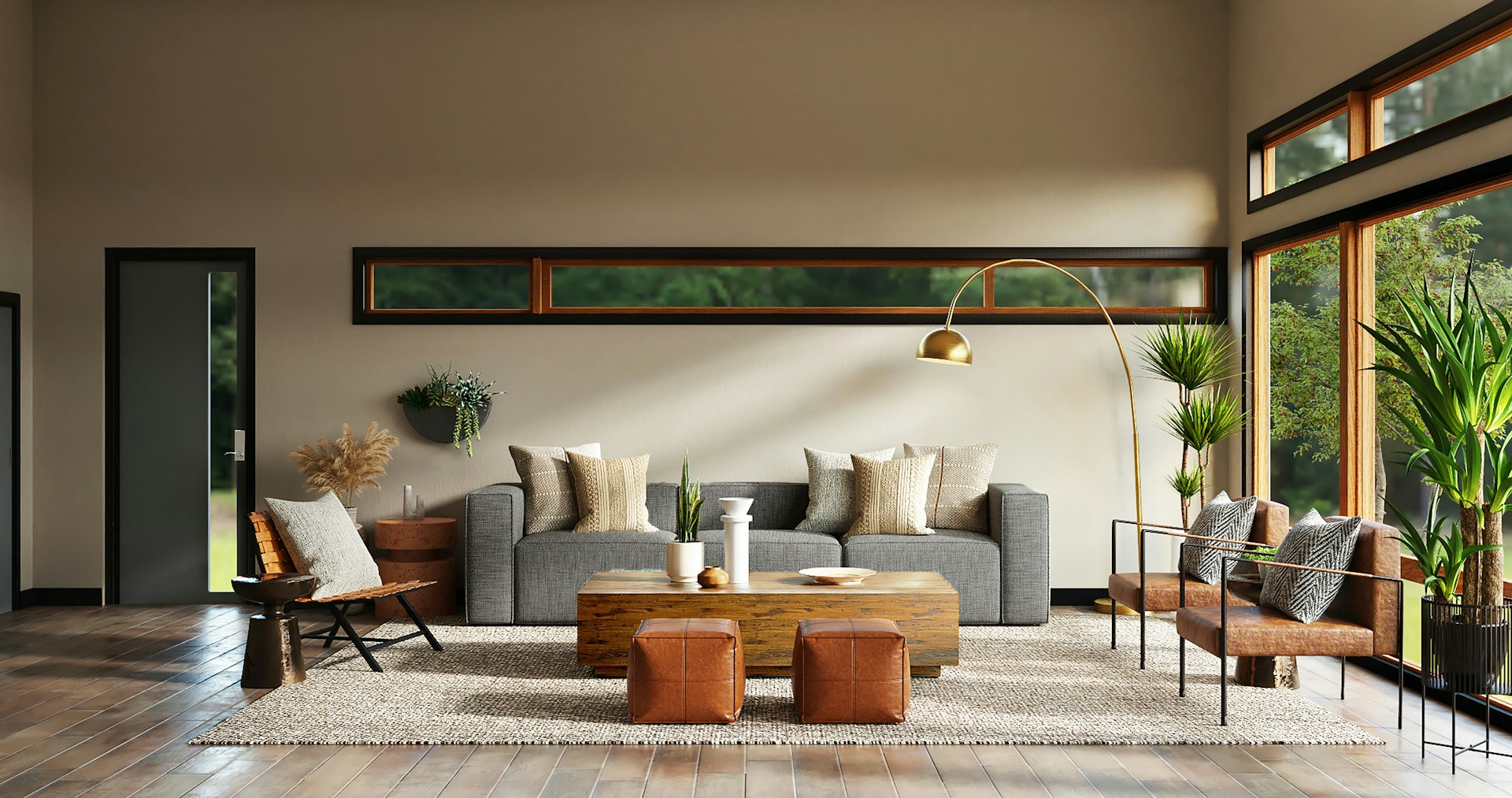
CRI, or color rendering index, describes how accurately a light source renders colors compared with a reference source. A higher CRI generally means colors look more natural, although CRI is not a perfect measure of every color quality issue.
For garages, storage rooms, and utility spaces, basic color rendering may be acceptable. For kitchens, bathrooms, closets, retail displays, salons, galleries, restaurants, and work areas where color decisions matter, better color rendering is worth paying for.
Look beyond the headline if the room is color-sensitive. Some products publish additional color metrics, but even a simple CRI check can prevent obvious mistakes.
5. Dimming Compatibility Is Not Guaranteed
LED dimming is where many upgrades go wrong. A bulb may say dimmable, a switch may say LED-compatible, and the pair can still buzz, flicker, drop out, shimmer, or jump from low to bright. The driver inside the LED and the dimmer on the wall have to work together.
Do not scale a dimming setup until you test it. Buy one bulb or one fixture first. Test it with the exact dimmer, smart switch, app, or control system you plan to use. Check full brightness, low brightness, turn-on behavior, and scene transitions.
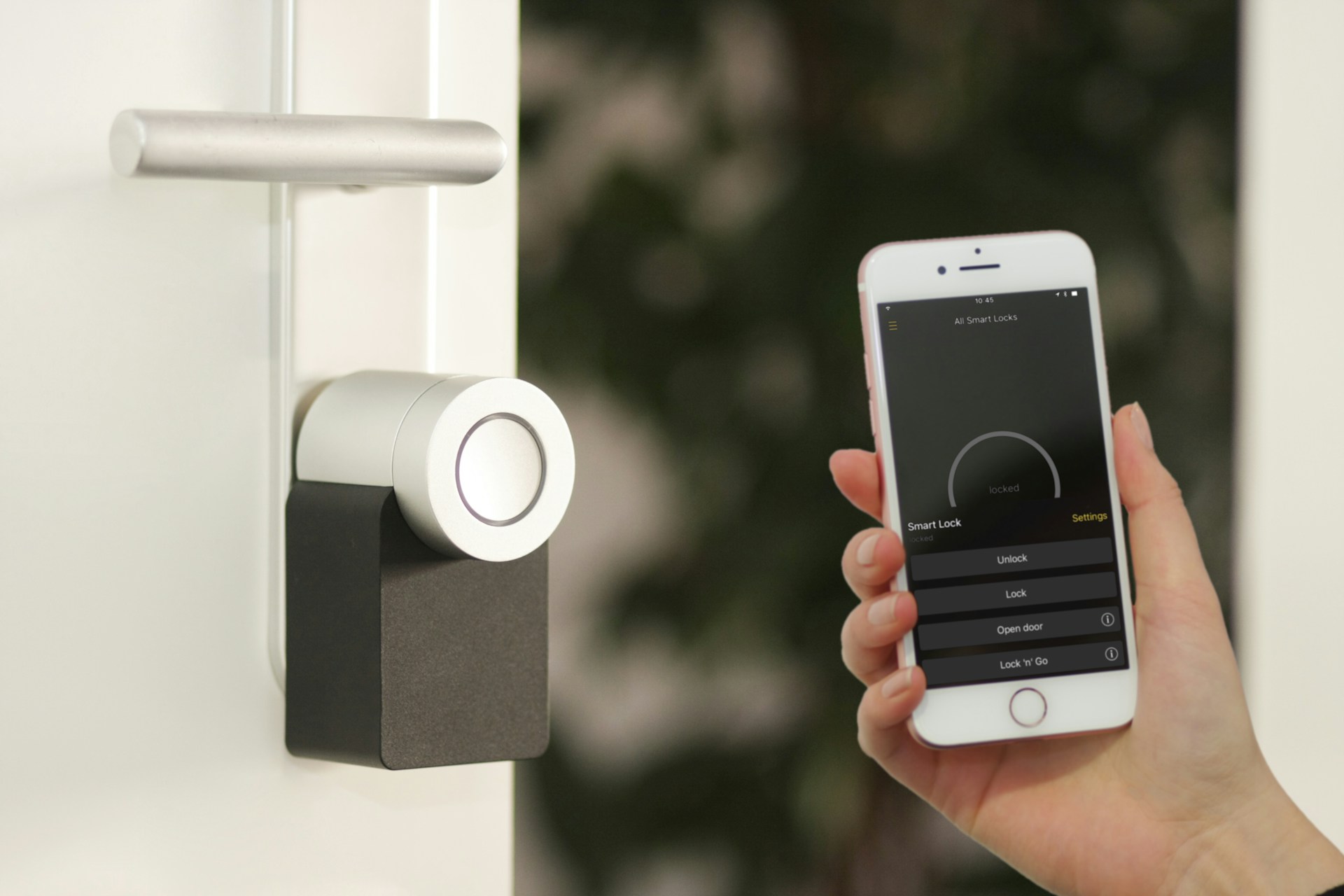
Smart bulbs often dim internally and may not be designed for old wall dimmers. Smart switches need compatible LED loads and sometimes a neutral wire. Commercial drivers may need 0-10V, DALI, phase-cut, or another control method. Those details matter before the electrician arrives, not after.
Our [smart LED bulbs vs smart switches guide](/blog/smart-bulbs-vs-smart-switches-energy-savings) explains when bulb-level control makes sense and when circuit-level control is cleaner.
6. Flicker Is a Comfort and Quality Issue
LED flicker can be visible or subtle. Some people notice it immediately. Others feel eyestrain, headaches, discomfort, or camera banding without understanding the cause. Flicker risk depends heavily on driver design, dimming method, power quality, and product quality.
IEEE 1789 is the standard often referenced for recommended practices around current modulation in high-brightness LEDs. Most buyers do not need to study the math. They should understand the practical lesson: not every LED driver is equally comfortable.
Test LEDs at the brightness levels you will actually use. A product that looks fine at 100% may flicker at 20%. Watch for shimmer in peripheral vision, buzzing at the dimmer, bands on phone video, or discomfort after sitting under the light.
If you already have symptoms, our [LED flicker and headaches guide](/blog/led-flicker-headaches-how-to-fix) covers common causes and fixes.
7. Lifetime Claims Need Context
LEDs can last a long time, but lifetime claims are not promises that every installation will run perfectly for that many hours. Heat, enclosed fixtures, poor ventilation, weak drivers, outdoor exposure, voltage issues, and high operating hours can shorten real life.
Check whether the bulb is rated for enclosed fixtures if it will be used in one. Check damp or wet ratings for bathrooms, porches, landscape lights, and exterior fixtures. Check operating temperature ranges for garages, warehouses, attics, freezers, or outdoor signs.
For integrated LED fixtures, ask what happens when the driver fails. Can the driver be replaced? Are parts available? Does the warranty cover labor, product replacement, or only limited defects? A cheap integrated fixture can become expensive if one failed component means replacing the entire product.
8. Smart Controls Save Only When They Reduce Waste
Smart lighting does not automatically save energy. It saves energy when it turns lights off, dims them, reduces unnecessary zones, responds to daylight, or keeps exterior lighting from running in daylight.
Good control ideas include schedules, vacancy sensors, occupancy sensors, daylight harvesting, dimming defaults, task tuning, and exterior dusk-to-dawn logic. Poor control ideas include adding connected bulbs to low-use rooms, leaving smart lights on at full output, or building a system that people bypass because it is annoying.
For homes, smart bulbs are useful for lamps, bedrooms, accent lighting, and renter-friendly setups. Smart switches are usually better for ceiling circuits and multi-bulb rooms. For businesses, zone controls, sensors, and commissioning often create bigger savings than app features.
If energy savings are the goal, choose controls based on runtime. Start with the lights that stay on the longest or are most often forgotten.
9. Buyers Should Verify Claims Before Scaling
Before upgrading a whole home, office, store, or facility, run a small test. Install the exact product in the exact type of room. Check brightness, color, glare, dimming, flicker, switch behavior, heat, noise, app reliability, and how people use it.
For homes, keep it simpler. Replace one room first. If the room feels better, dimming works, and the product fits the fixture rating, expand to similar rooms. Avoid buying bulk packs until you know the light quality is right.
Bottom Line
The most useful LED lighting facts are not complicated: lumens show brightness, watts show power use, efficacy shows efficiency, color temperature shapes mood, CRI affects color quality, driver design affects dimming and flicker, and controls save energy only when they reduce waste.
DOE, ENERGY STAR, and IEEE all point buyers toward the same practical habit: verify performance before scaling. A good LED upgrade should lower energy use, feel comfortable, work with controls, fit the fixture environment, and be easy to maintain.
Buy the light the room needs, not the biggest claim on the package.
Sources
- [U.S. Department of Energy: LED Lighting](https://www.energy.gov/energysaver/led-lighting)
- [ENERGY STAR: Light Bulbs](https://www.energystar.gov/products/light_bulbs)
- [IEEE Std 1789-2015: Recommended Practices for Modulating Current in High-Brightness LEDs](https://standards.ieee.org/standard/1789-2015.html)
FAQ
What LED lighting facts matter most before upgrading?
The most important facts are lumens, watts, efficacy, color temperature, CRI, dimming compatibility, flicker performance, fixture rating, lifetime, warranty, and whether controls will reduce real runtime.
Are LEDs always cheaper to run?
Efficient LEDs are usually much cheaper to run than incandescent or halogen bulbs. Actual savings depend on wattage, operating hours, utility rates, and whether controls reduce wasted use.
Is a higher-lumen LED always better?
No. Higher lumens mean more light, but the room may need better distribution, lower glare, warmer color, better CRI, or dimming instead of more brightness.
Should I buy ENERGY STAR LEDs?
ENERGY STAR LEDs are a strong default because they meet tested efficiency and performance requirements. Some specialized products may not carry the label, but buyers should still verify specs carefully.
Why do some LED lights flicker?
LED flicker usually comes from driver design, dimming incompatibility, poor controls, or power issues. Test dimming at low levels before buying LEDs for many fixtures.
Related Articles

Best Smart Lights in 2026: What Homeowners Should Upgrade First
The best smart lights in 2026 are not always the flashiest devices. Homeowners get better results by upgrading high-use rooms, wall controls, exterior schedules, and dimming quality before buying decorative extras.

Best Smart Lights in 2026: What Changed and What Still Matters
The best smart lights in 2026 are easier to mix across platforms, but buyers still need to check brightness, Matter support, dimming quality, standby power, and how each room will actually be controlled.